

This company has no active jobs
0 Review
Rate This Company ( No reviews yet )

30 Foot Container For Sale
About Us
All The Details Of 30′ Container Dos And Don’ts
Exploring the 30′ Container: Versatility, Uses, and Benefits
Worldwide of shipping and storage, containers have actually changed the method items and products are transferred. Amongst the various sizes of containers readily available, the 30-foot container stands apart for its unique dimensions and versatile applications. This article digs into the details of the 30-foot container, including its requirements, utilizes, benefits, and regularly asked questions.
Understanding the 30′ Container
A 30-foot container, also referred to as a 30′ shipping container or storage container, is usually utilized for shipping items across international borders as well as for storage functions. It uses a balance between capability and mobility, making it a perfect option for numerous people and organizations alike.
Specs of a 30′ Container
| Specification | Information |
|---|---|
| Length | 30 feet (9.14 meters) |
| Width | 8 feet (2.44 meters) |
| Height | 8.5 feet (2.59 meters) |
| Internal Volume | 1,697 cubic feet (48.0 m ³) |
| Tare Weight | Roughly 2,450 lbs (1,113 kg) |
| Max Payload | Roughly 32,000 lbs (14,968 kg) |
Common Types of 30′ Containers
- Requirement Shipping Container: Typically made of steel and created for freight transport.
- Reefer Container: Equipped with refrigeration systems for transporting temperature-sensitive items.
- Open-top Container: Provides an open top for filling oversized cargo.
- Flat-rack Container: Designed for transporting heavy or large loads that do not fit in basic containers.
Flexibility of the 30′ Container
The 30-foot container is typically favored throughout numerous markets due to its versatility in applications. The following sections highlight its primary usages.
1. Shipping and Freight
One of the main functions of a 30-foot container is to facilitate the shipping of goods. Its size enables efficient stacking and optimization of space in cargo ships and trucks.
2. Storage Solutions
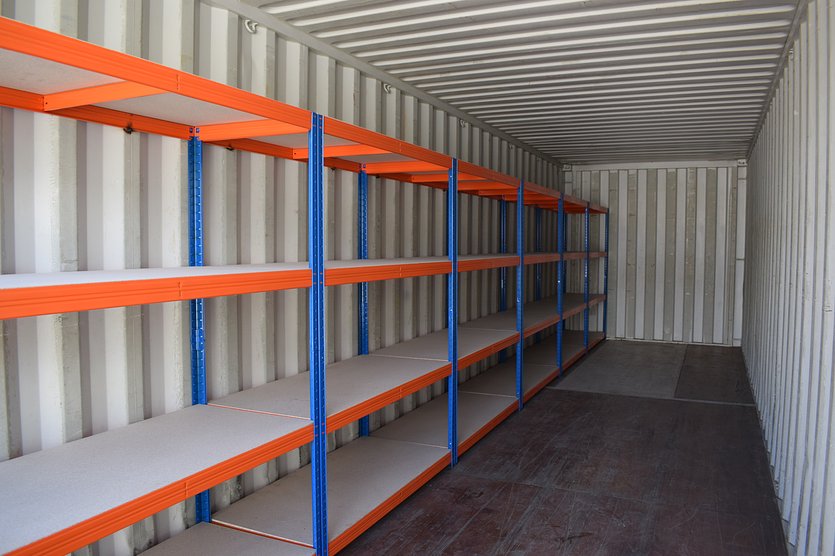
Lots of organizations and people make use of 30′ containers as on-site storage units. Their sturdiness and security make them an excellent choice for saving equipment, tools, and stock.
3. Mobile Offices
With some adjustments, 30-foot containers can be changed into mobile office areas. This service is especially beneficial on building and construction sites or in remote areas where short-lived workplace is required.
4. Occasions and Exhibitions
Event organizers often utilize 30′ containers for establishing pop-up shops, exhibit spaces, or food stalls, offering an unique setting for their industrial activities.
5. Workshops and Art Studios
Imaginative individuals prefer 30-foot containers as workshops or studios due to their versatility and customizability. Artists can change them into motivating offices.
Advantages of Using a 30′ Container
The usage of 30-foot containers comes with a number of benefits, which are vital for companies and individuals looking for effective services.
1. Cost-Effectiveness
Due to their size, 30′ containers offer a budget friendly option for storage and shipping when compared to larger options.
2. Toughness and Security
Built from top-quality steel, these containers are robust and resistant to weather, ensuring that saved products remain safe from theft and damage.
3. Versatility
Their adaptability allows them to be utilized in varied circumstances, from Second Hand 30Ft Shipping Containers items to serving as temporary housing or offices.
4. Easily transportable
The 30′ container is quickly portable, making it less troublesome for moving, either for shipping or storage purposes.
Frequently asked questions about 30′ Containers
Q1: How much can a 30′ container hold?
A 30′ container has a maximum payload of roughly 32,000 pounds (14,968 kg) and uses about 1,697 cubic feet of internal volume.

Q2: Can a 30′ container be customized?
Yes, 30′ containers can be tailored or modified for specific requirements, consisting of transforming them into workplaces, homes, or specialized storage areas.
Q3: How do I buy or lease a 30′ container?
Numerous companies offer renting and purchasing options for containers. It’s recommended to compare costs and services from various providers to find the best offer.
Q4: What should I consider before buying a 30′ container?
Secret elements to examine include the container’s condition (new or utilized), your intended usage, regional regulations concerning container positioning, and transportation logistics.
Q5: Are there zoning guidelines for container use?
Laws may vary by place, so it is necessary to consult local authorities concerning zoning laws and needed authorizations for using shipping containers on your residential or commercial property.
The 30-foot container is a versatile asset in the shipping and storage landscape, providing various applications that are advantageous for both services and people. Its cost-effectiveness, toughness, and portability make it a preferred option throughout lots of sectors. Whether for momentary storage, mobile offices, or imaginative areas, the 30-foot container continues to assert its value. Understanding the uses and benefits of this container can assist individuals and companies make notified choices that line up with their requirements.