

This company has no active jobs
0 Review
Rate This Company ( No reviews yet )

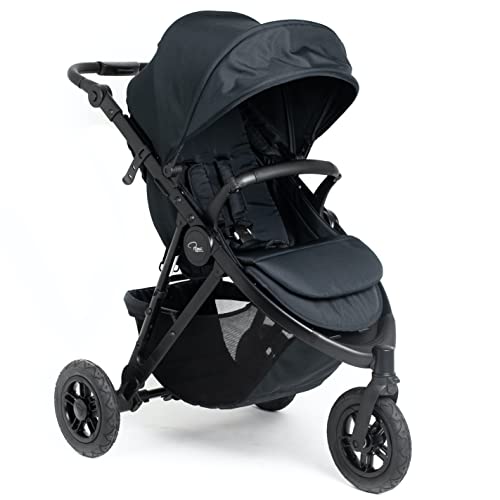
3 Wheeled Stroller
About Us
9 Things Your Parents Teach You About Three Wheeled Stroller
Exploring the World of 3-Wheeler Buggies: The Perfect Blend of Fun and Functionality
Introduction
In the last few years, 3-wheeler buggies have risen in popularity among experience applicants, hobbyists, and those who value distinct modes of transport. These lorries, identified by their lightweight style, remarkable maneuverability, and appealing looks, provide an interesting driving experience suitable for various terrains. This blog site post explores the intricacies of 3-wheeler buggies, highlighting their benefits, key functions, and considerations for prospective buyers.
What Are 3-Wheeler Buggies?
3-wheeler buggies are flexible lorries created for off-road experiences, leisure trips, and in some cases even useful transportation. Typically, they consist of a single front wheel and 2 rear wheels, or vice versa, creating a distinct silhouette.
Key Features of 3-Wheeler Buggies
- Design Variability: Ranging from sporty to practical, the style options are huge.
- Lightweight Frame: Enhanced fuel efficiency and easier handling.
- Versatile Terrain Capability: Provides a thrilling trip on various surfaces, consisting of dirt, gravel, and pavement.
- Compact Size: Easy to browse through tight spaces and urban environments.
- Budget-friendly Pricing: Often less expensive than traditional four-wheeled automobiles.
Advantages of 3-Wheeler Buggies
| Advantage | Description |
|---|---|
| Stability | A wider wheelbase supplies stability, minimizing the possibility of rollover accidents. |
| Maneuverability | The lightweight and compact style allows for quick turns and easy navigation. |
| Affordable | Typically, lower purchase costs and lowered maintenance expenses compared to four-wheel cars. |
| Fuel Efficiency | Typically, 3-wheeler buggies take in less fuel due to their lighter weight and engine sizes. |
| Enjoyable Factor | Offers an exhilarating trip experience, making it popular for recreational usage. |
Types of 3-Wheeler Buggies
While there are numerous designs on the market, Three Wheeled Stroller (www.Daniellabradley.Top) primary classifications of 3-wheeler buggies stick out:
1. Recreational Buggies
These are created primarily for fun and recreation. They are equipped with comfortable seating and are frequently utilized for off-road experiences.
Example Models:
| Model | Engine Type | Leading Speed | Cost Range |
|---|---|---|---|
| Polaris Ace 900 | EFI 4-stroke | 50 mph | ₤ 10,000 – ₤ 12,000 |
| Can-Am Spyder | Rotax 3-cylinder | 115 mph | ₤ 20,000 – ₤ 30,000 |
| Campagna T-Rex | Kawi 4-cylinder | 130 mph | ₤ 50,000 – ₤ 60,000 |
2. Energy Buggies
These are frequently more rugged and are created for agricultural or industrial purposes. They may come equipped with numerous accessories for added performance.
Example Models:
| Model | Engine Type | Payload Capacity | Cost Range |
|---|---|---|---|
| Yamaha Viking | 3-cylinder | 600 lbs | ₤ 12,000 – ₤ 16,000 |
| John Deere Gator | Gas/Diesel | 1,000 pounds | ₤ 9,000 – ₤ 17,000 |
| Honda Pioneer | EFI 4-stroke | 1,000 pounds | ₤ 11,000 – ₤ 14,000 |
3. Racing Buggies
These vehicles are designed for speed and agility, boasting lightweight frames and improved performance functions for competitive driving.
Example Models:
| Model | Engine Type | Leading Speed | Rate Range |
|---|---|---|---|
| Polaris RZR XP 1000 | 999cc ProStar | 80 miles per hour | ₤ 20,000 – ₤ 24,000 |
| Arctic Cat Wildcat | 700cc EFI | 70 mph | ₤ 15,000 – ₤ 20,000 |
| Can-Am Maverick | Rotax 1000cc | 85 mph | ₤ 18,000 – ₤ 23,000 |
Crucial Considerations When Buying a 3-Wheeler Buggy
- Purpose of Use: Determine how you plan to utilize the buggy. Recreational, utility, or racing vehicles vary substantially in style and ability.
- Budget: Assess just how much you want to spend, thinking about both preliminary rate and continuous upkeep expenses.
- Safety Features: Look for integrated security functions such as roll bars, safety belt, and advanced braking systems.
- Storage and Space: Ensure you have adequate space for storage, as some models are bulkier than others.
- Permit and Regulations: Check regional regulations relating to the use of 3-wheeler buggies on public roadways or off-road areas.
Frequently Asked Questions About 3-Wheeler Buggies
1. Can 3-wheeler buggies be driven on public roads?
It depends upon local policies. Numerous areas enable them on certain roads, while others require particular licensing or permits. Always inspect your local laws before purchasing.
2. What is the typical lifespan of a 3-wheeler buggy?
With correct upkeep, a 3-wheeler buggy can last anywhere from 10 to 15 years, though this can differ based upon use, brand, and model.
3. Are 3-wheeler buggies safe?
While many come geared up with robust safety features, safety might vary by design. It is vital to wear security gear and follow all safety policies to decrease risks.
4. What upkeep do 3-wheeler buggies need?
Routine upkeep includes oil changes, inspecting brakes and tires, and guaranteeing that all electrical elements are working correctly. Describe the owner’s manual for specific guidance.
5. Are parts and accessories readily offered?
Yes, a lot of makers provide a variety of parts and devices for their models. In addition, third-party providers typically carry compatible choices.
3-wheeler buggies embody the ideal mix of enjoyment and performance, appealing to a broad audience drawn to their special styles and versatile applications. Whether for racing, recreation, or utility, these cars offer exhilarating experiences that traditional four-wheeled cars might not offer. As interest in alternative types of transportation continues to grow, the appeal of 3-wheeler buggies is most likely to rise, offering enthusiasts countless adventures ahead. If you’re considering adding one to your collection, understanding your needs and looking into available choices is necessary for making an informed purchase.