

This company has no active jobs
0 Review
Rate This Company ( No reviews yet )

30 Ft Shipping Container For Sale
About Us
“The Ultimate Cheat Sheet” On 30′ Container
Understanding the 30′ Container: An In-Depth Guide
In the busy world of shipping and logistics, containers are necessary tools for carrying items throughout land and sea. One prominent option within this domain is the 30-foot shipping container. Typically used for different applications, from moving home personal belongings to serving as short-term storage services or perhaps creating distinct home, the 30′ container is flexible and practical. This article checks out the attributes, benefits, and applications of 30-foot containers, acting as an extensive guide for individuals and organizations alike.
What is a 30′ Shipping Container?
A 30-foot container is a storage system designed to help with the transportation of items. Readily available in several styles and specs, these containers are made from durable products, primarily steel, and are constructed to endure harsh conditions during travel. The basic dimensions normally include the following:
| Aspect | Requirements |
|---|---|
| Length | 30 feet (9.14 meters) |
| Width | 8 feet (2.44 meters) |
| Height | 8.5 feet (2.59 meters) |
| Internal Volume | 1,360 cubic feet (38.5 cubic meters) |
| Weight Capacity | Approximately 10,000 kg (22,046 pounds) |
Types of 30′ Containers
30′ containers can be found in a variety of types, each matched to specific requirements. Here are the most common types:
- Standard Dry Containers: The most commonly used type, mostly for general freight.
- Refrigerated Containers (Reefers): Ideal for perishables that require temperature level control.
- Open-Top Containers: Designed for oversized freight that can not be filled through standard doors.
- Flat Rack Containers: Suitable for heavy loads and equipment.
- High Cube Containers: Featuring an extra foot in height to optimize vertical space.
Advantages of Using a 30′ Container
Choosing a 30-foot container has several benefits, including:
- Space Efficiency: Its size makes it practical for little to medium-sized moves or storage needs.
- Portability: Easy to transport through truck, rail, or ship.
- Security: Robust building deters theft and damage.
- Versatile Use: Ideal for domestic relocations, organization storage, or perhaps building jobs.
- Cost-Effectiveness: Generally more affordable than leasing multiple smaller sized containers.
Applications of the 30′ Container
The versatility of 30′ containers permits numerous applications, consisting of however not restricted to:
- Residential Moves: Great for transferring furniture and individual belongings.
- Industrial Storage: Useful for inventory or equipment storage.
- Pop-Up Shops: Businesses make use of containers for temporary retail areas.
- Workshops: Containers can be converted into workplace or workshops.
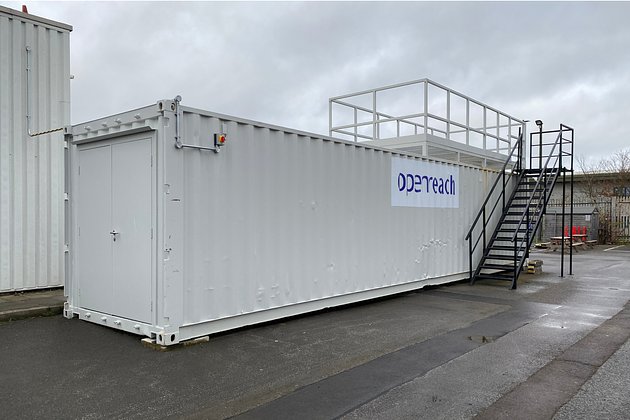
- Living Spaces: With adjustment, they can function as small homes, visitor homes, and even modern-day living pods.
Tailoring Your 30′ Container
Modifications
For those wanting to personalize their container, a number of adjustment alternatives exist:
- Windows and Doors: Creating entry points and natural source of lights.
- Insulation: Useful for temperature control, specifically in chillier environments.
- Electrical Outlets: For powering tools, devices, or lighting.
- Shelving Units: Maximizing storage capability within the container.
Style Choices
Containers can be painted or branded, which is especially useful for organizations wanting to create a cohesive image. Lots of select to decorate their containers to fit their visual or functional requirements.
Regularly Asked Questions (FAQ)
1. What can I keep in a 30′ container?
You can keep a variety of items in a 30′ container, including furniture, devices, workplace devices, tools, and inventory. However, it’s crucial to think about the weight limits and distribution to ensure safety.
2. How much does a 30′ container cost?
The cost of a 30′ shipping container can differ considerably based on aspects such as condition (new vs. utilized), type (requirement, refrigerated, etc), and place. Costs usually vary from ₤ 2,000 to ₤ 6,000.
3. Are 30′ containers weatherproof?
Yes, 30′ containers are developed to stand up to severe weather conditions. They are made from weather-resistant materials, providing security against rain, wind, and sun direct exposure.
4. Can I buy a modified 30′ container?
Yes, many providers offer containers with different adjustments tailored to specific needs, consisting of insulation, custom-made doors, and ventilation choices.
5. How do I transport a 30′ container?
Transport can be set up through freight business that focus on container transportation. Flatbed trucks are usually utilized for land transportation, while cranes manage filling and dumping at ports or task sites.
The 30′ shipping container stands as a useful solution for a range of storage and transport needs. With its excellent space, varied application chances, and considerable customizability, it is a preferred option for both individuals and services. As Second hand 30ft shipping containers logistics continue to progress, understanding the performances of these containers will be essential for tactical preparation in numerous sectors. Whether pondering a residential relocation, business storage, or ingenious reuse, the 30-foot container is unquestionably an important possession worth thinking about.