

This company has no active jobs
0 Review
Rate This Company ( No reviews yet )

Buy A Driving Licence
About Us
Drivers Licence Uk Tools To Improve Your Everyday Lifethe Only Drivers Licence Uk Trick That Everyone Should Be Able To
Understanding the UK Driver’s Licence: A Comprehensive Guide
Obtaining a driver’s licence in the United Kingdom is a substantial turning point for lots of individuals. It not just represents self-reliance but also provides greater freedom in personal and professional elements of life. This post aims to provide a detailed summary of the UK driver’s licence, including how to apply, various types of licences, and different policies related to driving in the UK.
Summary of the UK Driver’s Licence
In the UK, a driver’s licence is an official document that permits a specific to operate automobile on public roads. The driving licence system in the UK is structured and regulated by the Driver and Vehicle Licensing Agency (DVLA).
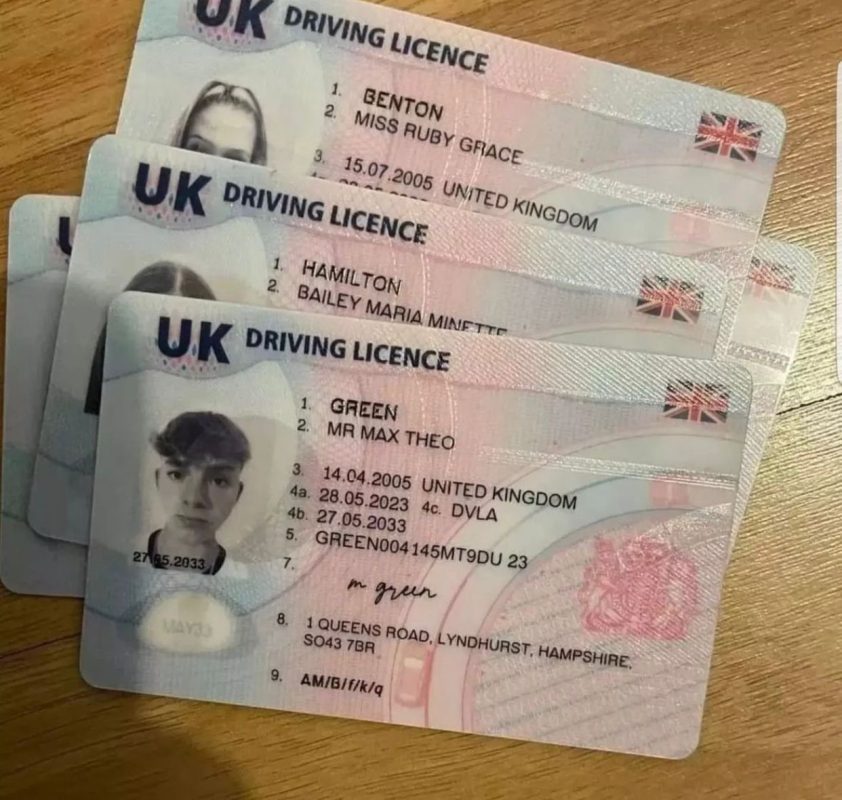
Kinds Of UK Driver’s Licences
The UK offers numerous kinds of driving licences, each customized for different classifications of vehicles. These include:
-
Provisional Licence:
- Age Requirement: Minimum of 17 years
- Permits students to drive under specific conditions.
- Can not drive without a qualified driver accompanying them.
-
Full Licence:
- Issued as soon as a person has passed both the theory and practical driving tests.
- Different categories offered based upon lorry types:
- Category B: Cars
- Classification A: Motorcycles
- Category C: Large goods lorries
- Category D: Buses
-
International Driving Permit (IDP):
- Required for driving in some foreign nations.
- Released to UK licence holders at Post Office branches.
-
Momentary Licences:
- For people who may have lost their licence or are awaiting updates on their present licence.
The Application Process for a UK Driver’s Licence
Looking for a driver’s licence in the UK includes a number of actions, whether for a provisionary or complete licence. Here are the necessary steps in detail:
Step 1: Obtain a Provisional Licence
- Eligibility: Individuals need to be at least 17 years of ages to apply.
- Application: Applications can be made online via the DVLA site or through paper forms offered at post workplaces.
- Documents Required:
- Proof of identity (passport or another main ID).
- National Insurance number (if available).
- A postal address in Great Britain.
Step 2: Study for the Theory Test
- Content: The theory test includes multiple-choice concerns and a danger understanding test.
- Preparation: Various resources are available, consisting of online courses, apps, and books that aid in preparation.
Action 3: Pass the Theory Test
- The theory test should be cleared before attempting the useful driving test.
Step 4: Practical Driving Test
- Knowing and Instruction: A person can take driving lessons with a licensed instructor or discover with an authorized accompanying driver.
- Booking the Test: Once confident in driving abilities, candidates can book their practical test online.
- Test Components: The practical test evaluates driving abilities, maneuvers, and real-world driving conditions.
Step 5: Receiving the Full Licence
- After effectively passing the useful driving test, the DVLA will issue a complete driving licence, which permits individuals to drive separately.
Rules and Regulations
Maintaining a valid driving licence in the UK requires adherence to several rules and policies:
- Renewal: Licences must be restored every 10 years. Renewal can be done online or via paper application.
- Points System: The UK uses a charge points system. Certain traffic offences lead to points being contributed to a driver’s licence, which can result in extreme consequences if the build-up goes beyond a particular limit.
- Medical Conditions: Drivers Licence Uk (Kaciesweeney.Top) must inform the DVLA of any medical condition that could affect their ability to drive.
Common Challenges in Obtaining a Licence
Acquiring a driver’s licence can in some cases be challenging. Here are some common hurdles dealt with by striving drivers and tips on how to tackle them:
- Nervousness During Tests: Many candidates experience anxiety during their theory or practical tests. It is a good idea to take mock tests or participate in session to construct self-confidence.
- Failure to Pass Tests: If a private fails their tests, they can retake them after a certain waiting period. Preparing with extra driving lessons or research study products can assist in subsequent attempts.
- Understanding Rules: The complexities of roadway rules and guidelines may be frustrating. Enrolling in a credible driving school can supply clarity and insight into these guidelines.
FAQ Section
1. The length of time does it take to get a driving licence in the UK?The timeline differs based upon the individual’s knowing rate. Usually, achieving a complete licence can take a couple of months, including discovering time and the waiting duration for tests. 2. Can I drive while waiting on my full
licence?You can drive with your provisionary licence if accompanied by a certified driver who is at least 21 years old and has actually held a full licence for 3 or more years. 3. What do I do if I lose my driving licence?You can apply for a replacementlicence via the DVLA website or through post, offering necessary recognition and paying the needed charge. 4. How much does it cost to get a driver’s licence in the UK?Costs can differ substantially but generally include application fees
, the theory test fee, useful test charges, and driving lessons. Overall, it might amount to thousands of pounds, depending on individual scenarios. 5. Is there a minimum variety of lessons I should take?There is no official minimum number of lessons mandated. Nevertheless, taking lessons until you feel great is a good idea.
Acquiring a driver’s licence in the UK is a fulfilling procedure that unlocks to movement and freedom. By comprehending the actions involved, the kinds of licences readily available, and the guidelines governing driving, prospective drivers can navigate the system successfully. Whether one is a learner or a skilled driver, remaining notified on the current policies and best practices is vital to ensure safe and accountable driving within the UK.